The Plight of India's Vultures
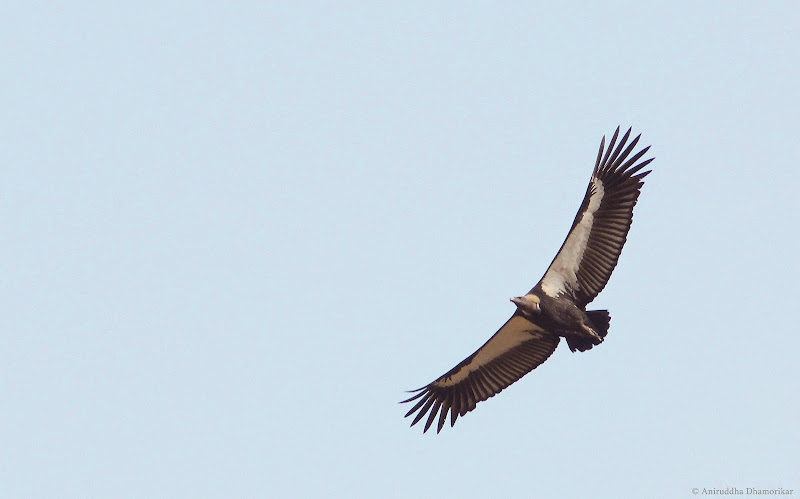
First Saturday of September is celebrated as International Vulture Awareness Day ( www.vultureday.org ; it was celebrated on September 6, 2014 this year) to raise awareness concerning vultures, and especially their threateningly declining numbers. An article exploring the rapid decline of vultures of India was published in The Hitavada’s Insight supplement, which I am reproducing here with some elaborations. You can read the online version here or here . Insight, The Hitavada Sunday, September 7, 2014 The Plight of India’s Vultures When was the last time you saw a vulture soaring high in the sky? We asked every forest guard and every villager we met as we traversed through the forest villages of Kanha Tiger Reserve, and their answers were all exactly the same: many, many years ago. Only a handful of forest guards see vultures soaring in the skies today, and all of them mostly in the core-zone of Kanha Tiger Reserve, far from any human interventions where they feed on carca...
